Applying for a record suspension in Canada—formerly known as a pardon—is a significant step toward reclaiming your future. Whether you are seeking new employment opportunities, travel privileges, or simply the peace of mind that comes with a cleared criminal record, the administrative journey requires precision. One of the most critical components of this application process is the submission of sworn documents. Specifically, you may need to commission an affidavit for a record suspension online in Ontario to verify your identity or clarify details within your criminal history. In the past, this required a physical trip to a lawyer’s office or a government building. However, thanks to legislative changes in Ontario, residents can now complete this vital step from the comfort of their homes. This guide provides a comprehensive overview of how to commission your record suspension documents online and what you need to know to ensure your application meets the strict requirements of the Parole Board of Canada.
Understanding Record Suspensions (Pardons) in Canada
A record suspension allows people who were convicted of a criminal offence, but have completed their sentence and demonstrated they are law-abiding citizens for a prescribed number of years, to have their criminal record kept separate and apart from other criminal records. This process is managed at the federal level by the Parole Board of Canada (PBC). While the PBC oversees the final decision, the documentation required to get to that point involves local and provincial verification. This often involves obtaining local police record checks and, in cases where there are discrepancies in your record or identity, providing a sworn affidavit or statutory declaration. When you need to commission an affidavit online, you are essentially making a formal, legal oath that the information you are providing is true. The process of online notarization or commissioning has become the preferred method for many applicants due to its efficiency and the ability to handle sensitive legal matters without the need for in-person travel.
Why Do You Need an Affidavit for a Record Suspension?
Not every record suspension application requires an affidavit, but they are common in several specific scenarios. The Parole Board of Canada is meticulous; if there is even a slight shadow of doubt regarding the information provided by the RCMP or local police services, they will request a sworn statement to bridge the gap.
1. Identity Verification and Name Discrepancies
If your current legal name differs from the name on your criminal record—perhaps due to marriage, a legal name change, or an error in police databases—the Parole Board of Canada may require an Affidavit of Identity. This document, commissioned by a qualified professional, confirms that you are the same person named in the criminal records being reviewed. Using an online notary service to handle this ensures that your identity is verified through secure, multi-factor authentication methods that meet provincial standards.
2. Clarifying Criminal Record Information
Sometimes, a criminal record check (CPIC) may contain incomplete or ambiguous information regarding a conviction or a sentence. If the court records are no longer available or are unclear, the PBC may allow you to submit a sworn affidavit detailing the facts of the case to the best of your knowledge. This is particularly common for older records where physical files may have been destroyed or archived in inaccessible formats.
3. Supporting Evidence for Rehabilitation
In some instances, applicants choose to provide a statutory declaration to support their claim of rehabilitation, detailing their lifestyle changes and contributions to the community since their last conviction. While not always mandatory, these sworn statements can provide the Board with a clearer picture of the applicant's current character.
The Role of a Commissioner for Taking Affidavits
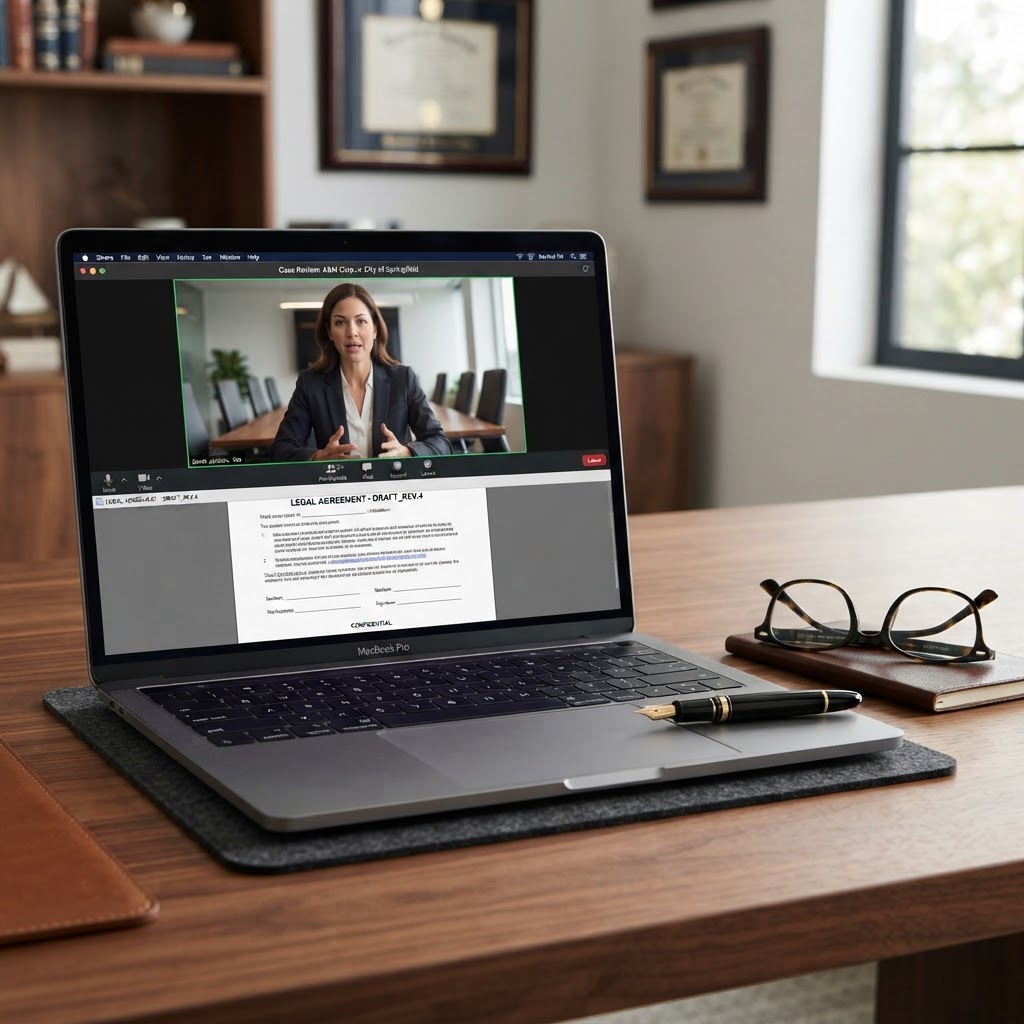
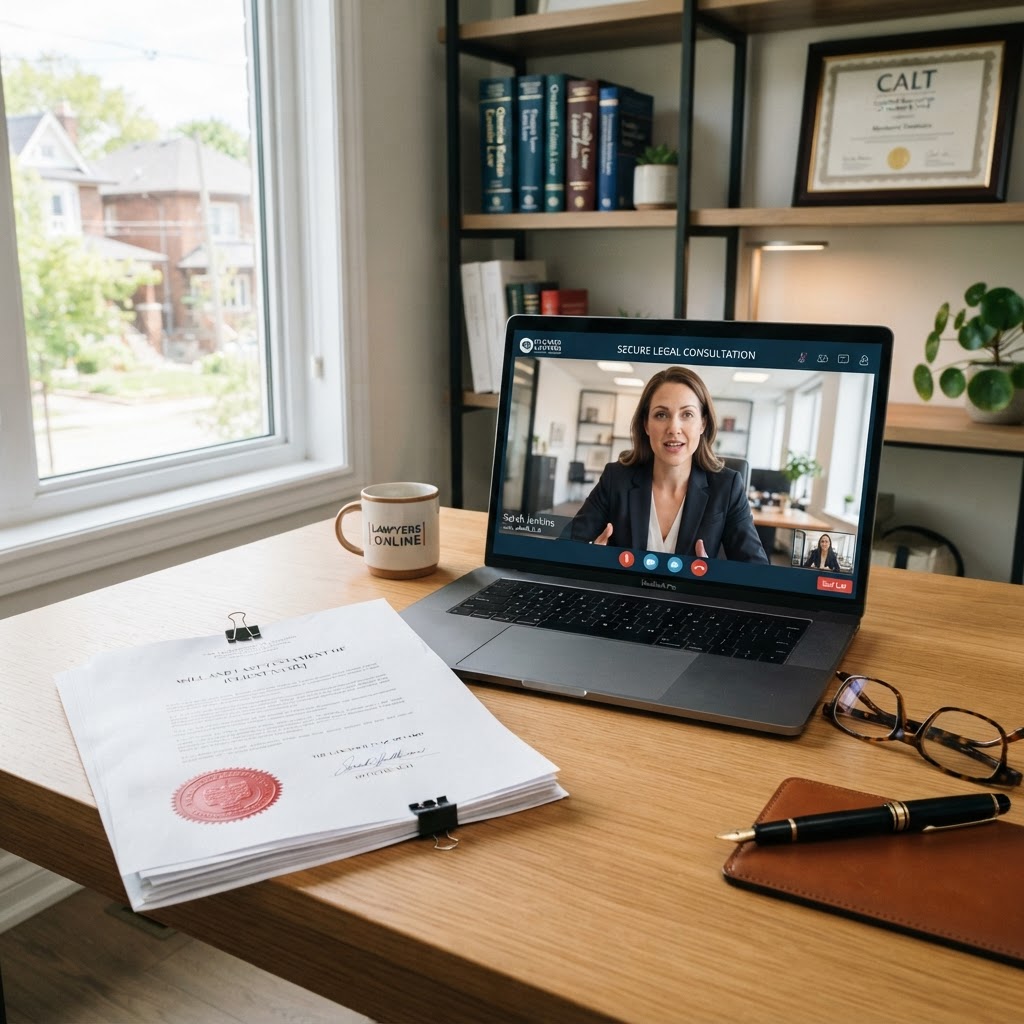
It is important to understand the professional credentials required to authorize these documents. In Ontario, an online notary service typically involves a Commissioner for Taking Affidavits. While many people use the term "notary public online," the specific act of witnessing an affidavit is known as "commissioning." A Commissioner is an individual authorized by the Province of Ontario to witness the swearing of oaths and the signing of solemn declarations. When you use an online service, the Commissioner verifies your identity through a secure video link, witnesses your digital or physical signature, and then applies their own signature and digital seal to the document. This process makes the document a legally binding piece of evidence for the Parole Board of Canada. It is a common misconception that you need a full notary public for every document; for the vast majority of record suspension requirements in Ontario, a Commissioner is the appropriate and legally sufficient authority.
Can You Legally Commission a Record Suspension Affidavit Online?
Yes. In Ontario, the Commissioners for Taking Affidavits Act was updated to permanently allow for remote commissioning. This means that as long as the Commissioner and the deponent (you) can see, hear, and communicate with each other in real-time via video technology, the oath is just as valid as one taken in person. For those applying for a record suspension, this is a game-changer. The application process is already lengthy and paperwork-intensive, often taking months or even years to complete. The ability to commission an affidavit online in Ontario saves hours of travel time and allows you to keep your application moving forward without waiting for in-person appointments at a lawyer's office or a government service center. Furthermore, online commissioning provides a digital audit trail that can be more secure than traditional paper-based methods.
How to Commission Your Affidavit Online: A Step-by-Step Guide
If you have been told you need a sworn statement for your pardon application, follow these steps to complete the process online. The goal is to ensure that your document is not only signed but is legally robust enough to withstand the scrutiny of federal investigators.
Step 1: Prepare Your Document
Ensure your affidavit or statutory declaration is fully drafted before your appointment. You should not sign the document yet, as the Commissioner must witness the act of signing. The document should clearly state the facts you are swearing to, such as your identity, name history, or details of a past conviction. If you are unsure of the wording, the Parole Board of Canada often provides specific templates or instructions on what information must be included.
Step 2: Book an Online Appointment
Select a reputable online commissioning service in Ontario. You will choose a time that works for you, and you will typically receive a link to a secure video conferencing platform. When looking for a provider, ensure they specialize in Ontario law and understand the specific requirements for record suspension documents.
Step 3: Identity Verification
Before the meeting, you will be required to upload a clear photo of your government-issued photo ID (such as an Ontario Driver’s License or Canadian Passport). During the video call, the Commissioner will perform a live verification to ensure the person on camera matches the identification provided. This is a critical step in preventing fraud and ensuring the integrity of the record suspension process.
Step 4: The Swearing of the Oath
The Commissioner will ask you to swear or affirm that the contents of the document are true. This is the legal core of the process. You will then sign the document electronically using secure e-signature software, or in some cases, you may sign a physical copy on camera. The Commissioner will guide you through the specific language required for a formal oath or solemn declaration.
Step 5: Receiving Your Commissioned Document
Once the session is complete, the Commissioner will add their digital seal and credentials. You will receive the completed, commissioned affidavit via email, which you can then print or upload as part of your Parole Board of Canada application package. Most online services provide the completed document almost immediately following the session.
The Importance of Accuracy in Your Record Suspension Affidavit
When you commission an affidavit online, you are making a statement under penalty of law. For a record suspension, the stakes are particularly high. The Parole Board of Canada conducts thorough investigations; if they discover that an affidavit contains false information, not only will your application be denied, but you could also face charges for perjury or fraud. Always ensure that dates and locations are as accurate as possible. If you are unsure about a specific detail from a conviction that occurred twenty years ago, it is better to state that you are providing the information "to the best of your knowledge and recollection" rather than stating a definitive fact that may be proven wrong by police records. You must disclose all relevant information requested by the PBC, as omissions can be viewed as just as deceptive as false statements.
Why Choose Online Commissioning for Your Pardon Application?
Efficiency is the primary benefit. A record suspension application involves coordinating with local police, the RCMP, and the courts. By choosing to commission a statutory declaration online, you eliminate one of the logistical hurdles. Furthermore, online services often provide more flexible hours than traditional law offices, allowing you to handle your legal requirements outside of standard business hours. This is especially helpful for individuals who work full-time or live in rural areas of Ontario where access to a notary public online or a local commissioner may be limited. Additionally, the digital nature of the process means you have an electronic original of your document, which is much harder to lose than a single paper copy.
Frequently Asked Questions
Is a commissioned affidavit the same as a notarized document?
In Ontario, these terms are often used interchangeably in common conversation, but they have distinct legal meanings. An affidavit is "commissioned" when a Commissioner witnesses your oath. A "notary public" has broader powers, including certifying true copies of documents and witnessing documents for use outside of the province. For a record suspension affidavit intended for use within Canada, an Ontario Commissioner for Taking Affidavits is perfectly qualified to handle the task.
Will the Parole Board of Canada accept a digitally commissioned affidavit?
Yes. The Parole Board of Canada accepts documents that are legally executed according to the laws of the province where they were signed. Since Ontario law recognizes remote commissioning as a valid legal practice, these documents are accepted for federal applications. Thousands of applicants successfully use online commissioning for their pardons every year.
What if I don't have a webcam or high-speed internet?
You must have a functioning camera and microphone to use an online notary or commissioning service. The law requires "contemporaneous" (simultaneous) visual and auditory interaction. If you do not have a computer, a smartphone with a camera is usually sufficient for this purpose. If your internet connection is unstable, it is recommended to find a location with a stronger signal to ensure the session is not interrupted, as the Commissioner must see the entire signing process.
How long does the online commissioning session take?
Most sessions are completed in under 15 minutes, provided your documents are drafted and your identification is ready for verification. The process is designed to be streamlined and user-friendly, allowing you to get back to your day quickly.
Ready to Take the Next Step Toward Your Record Suspension?
Navigating the path to a record suspension can be complex, but commissioning your legal documents shouldn't be. At The Online Notary, we specialize in helping Ontario residents complete their affidavits and statutory declarations with speed, security, and full legal compliance. Our expert commissioners are ready to help you finalize your paperwork so you can submit your application to the Parole Board of Canada with confidence. Don't let administrative delays hold back your fresh start. Book your online commissioning appointment today and get one step closer to your record suspension.