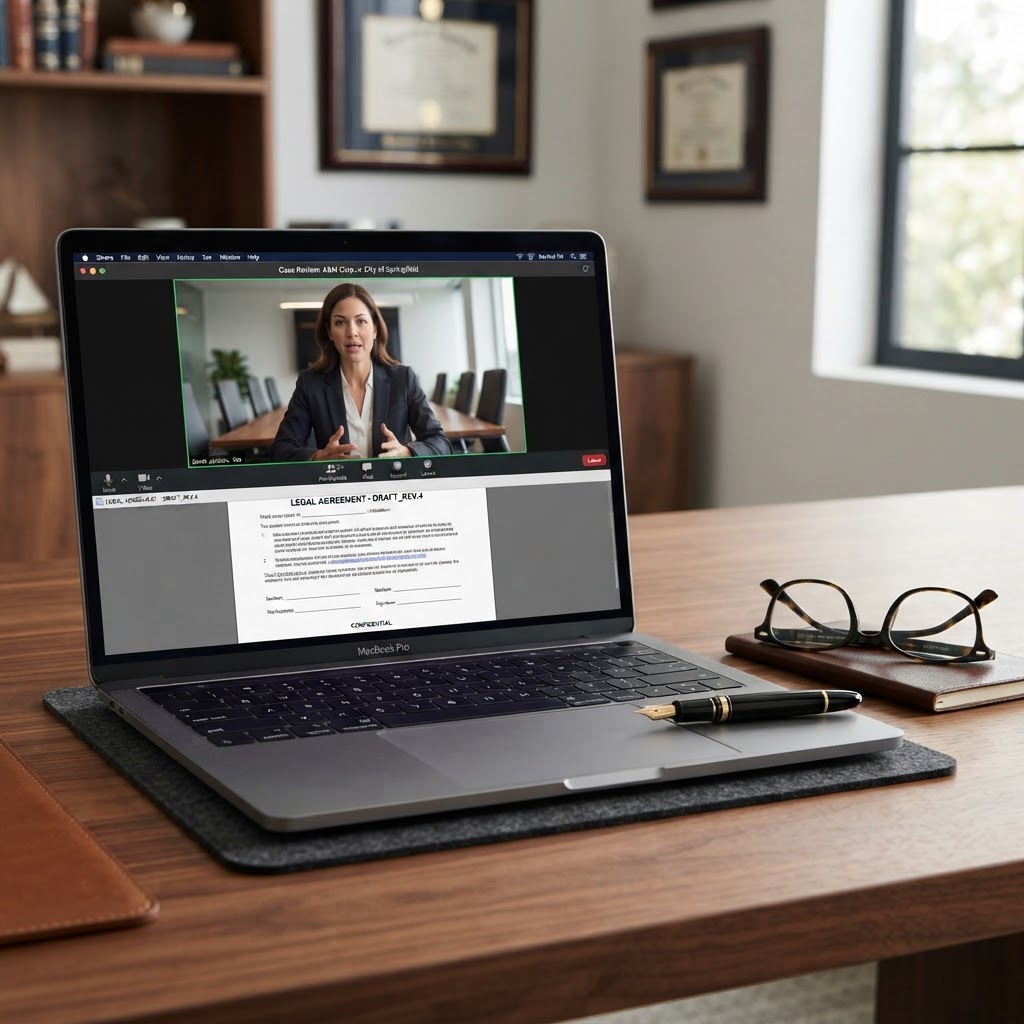
Registering a child for school in Ontario is a significant milestone, but it often comes with a mountain of paperwork. For many families, one of the most critical documents required by school boards—such as the Toronto District School Board (TDSB), Peel District School Board (PDSB), or York Region District School Board (YRDSB)—is a Proof of Residency. While a lease agreement or utility bill usually suffices, there are many circumstances where these documents are unavailable, necessitating a sworn affidavit. In the past, this meant finding a local office, taking time off work, and appearing in person before a commissioner. Today, thanks to advancements in provincial legislation, you can commission an affidavit online from the comfort of your home. This guide explores everything you need to know about commissioning a Proof of Residency Affidavit for Ontario school boards using an online notary or commissioning service.
Why Do Ontario School Boards Require a Sworn Affidavit?
School boards in Ontario are funded based on geographical boundaries. To ensure that resources are allocated correctly and that students are attending schools within their designated catchment areas, boards strictly enforce residency requirements. The Education Act of Ontario mandates that school boards provide education to students residing within their jurisdiction. Consequently, boards must verify that every student enrolled actually lives within the boundaries of the school they attend. While most parents can provide a standard property tax bill or a formal residential lease, these aren't always available. You might need a Proof of Residency Affidavit if you are living with family members or friends and do not have a formal lease in your name, or if you have recently moved to Ontario and have not yet established utility accounts. It is also common for families living in multigenerational homes or basement suites where utilities remain in the landlord’s name to be asked for a sworn statement. In these cases, a "Statutory Declaration of Residency" or a "Proof of Residency Affidavit" acts as a legal statement, sworn under oath, confirming where you and your child live. Because this is a legal document, it must be witnessed by a person authorized by the province, such as a Commissioner for Taking Affidavits.
The Role of Online Commissioning in Ontario
When people search for an "online notary" or "notary public online," they are often looking for the service of commissioning a document. In Ontario, there is a technical distinction between a Notary Public and a Commissioner for Taking Affidavits. A Commissioner is authorized to witness the swearing of oaths and the signing of affidavits or statutory declarations. Since 2020, Ontario law has permanently allowed for remote commissioning. This change was brought about by the COVID-19 Economic Recovery Act, 2020, which amended the Commissioners for Taking Affidavits Act. This means that a commissioner can witness your signature via a live video call, provided certain security and identity verification protocols are met. This process is often referred to by the public as online notarization, although for affidavits, it is technically online commissioning. By using an online commissioning service, parents can resolve their school registration requirements in minutes rather than days, avoiding the need for travel and physical appointments. This is particularly beneficial during the busy late-summer registration period when local offices may be fully booked.
What Information Must Be Included in the Affidavit?
For a Proof of Residency Affidavit to be accepted by an Ontario school board, it must be drafted clearly and contain specific factual information. Generally, the document should include the deponent’s full legal name and current address, the child’s full legal name, and a clear declaration that you and the child reside at the stated address as your primary residence. If you are living with someone else, their name and their relationship to you should be mentioned. You should also include the effective date of when you moved into the residence. It is vital that all information in the affidavit is 100% accurate. Since the document is commissioned under the Provincial Offences Act, providing false information in an affidavit carries serious legal consequences, including potential fines or criminal charges for perjury. Most school boards provide a specific template for a Residency Affidavit. If they do not, you can use a standard Ontario affidavit form. Ensure all the text is filled out except for the signature and the date. You must not sign the document until you are on the video call with the commissioner.
How to Commission Your Affidavit Online: Step-by-Step
Using a service like The Online Notary makes the process of getting your school residency documents signed simple and efficient. Here is the typical workflow for online commissioning in Ontario:
1. Prepare Your Document
Gather the necessary forms from your school board's website. Fill in all the details regarding your living situation, but leave the signature line blank. If you are using a digital platform, you can upload the document in PDF format.
2. Book an Appointment
Navigate to an online notary platform and select a time that works for you. These services are often available outside of standard business hours, which is ideal for busy parents who cannot take time off during the day.
3. Identity Verification
Before the video call begins, you will be required to upload a clear image of a government-issued photo ID, such as a Driver’s License or Passport. The platform uses secure technology to verify your identity, ensuring the process remains compliant with Ontario’s legal standards for remote commissioning.
4. The Video Call
You will join a secure video link with a Commissioner for Taking Affidavits. They will ask you to swear or solemnly affirm that the contents of your affidavit are true. You will then sign the document electronically using a secure platform while the commissioner watches in real-time. The commissioner must be able to see you and the document clearly throughout the process.
5. Receive Your Commissioned Document
Once the call is complete, the commissioner will apply their digital signature and official stamp or seal. You will receive a high-resolution PDF version of the commissioned affidavit, which you can then upload directly to the school board’s registration portal.
Is Online Commissioning Legally Valid for Schools?
Yes. Under the Commissioners for Taking Affidavits Act and Ontario Regulation 431/20, remote commissioning is legally equivalent to in-person commissioning in the province of Ontario. The vast majority of Ontario school boards, including the TDSB and Dufferin-Peel Catholic District School Board, have updated their processes to accept digitally commissioned and signed documents. Digital signatures provided through professional online commissioning platforms include an audit trail and encryption, making them, in many cases, more secure and harder to forge than traditional pen-and-ink signatures. If a school official questions the validity of the digital signature, you can point them to the provincial regulations that authorize remote commissioning.
Benefits of Choosing an Online Notary for School Documents
Choosing to commission an affidavit online offers several distinct advantages for Ontario families. Speed is a major factor; school registration deadlines can be tight, and online services often offer same-day appointments. Accessibility is another benefit; for parents with mobility issues, those without a vehicle, or those living in rural parts of Ontario, the ability to access a notary public online is a game-changer. Furthermore, it is cost-effective when you factor in the cost of gas, parking, and time off work. Finally, the paperless workflow is highly convenient, as most school board applications are now submitted through online portals, and having a digitally commissioned PDF is much more efficient than scanning a physical piece of paper.
Common Pitfalls to Avoid
To ensure your Proof of Residency Affidavit is accepted the first time, keep these tips in mind. First, do not sign the document early. If you sign the document before the video call, the commissioner cannot verify that you are the one who signed it, and you will have to start over. Second, check board specifics. While most boards accept a general affidavit, some have very specific forms like the "TDSB Residency Declaration." Always use the board's preferred form if one exists. Third, ensure your photo ID is current and the image is clear; if the verification process fails, your appointment will be delayed. Finally, ensure you have a stable internet connection, as the law requires a continuous video and audio feed for the commissioning to be valid.
Frequently Asked Questions
Can I use an online notary if I am currently outside of Ontario?
Yes, as long as the document is intended for use within Ontario (such as for an Ontario school board), an Ontario Commissioner for Taking Affidavits can commission your signature remotely, even if you are temporarily outside the province or country. The key is that the legal effect of the document takes place in Ontario.
Does the school board need the original paper copy?
Most Ontario school boards now prefer digital submissions via their registration portals. A digitally commissioned PDF is considered an "original" digital document. However, you should always retain the digital file and a printed copy for your records in case the school asks to see it during an in-person verification step later in the year.
What if I don’t have a digital signature?
Don't worry. Professional online commissioning platforms provide the tools for you to sign electronically during the call using your mouse, touch screen, or a typed signature that is legally binding. You do not need to purchase any special software.
Is my data safe during the online commissioning process?
Reputable services use bank-grade encryption and secure video platforms to ensure your personal information and the contents of your affidavit remain private and protected. Always ensure you are using a verified Ontario service provider.
Ready to Secure Your Child's School Spot?
Don't let paperwork stand in the way of your child’s education. If you need to verify your address for a school board registration, skip the commute and the waiting room. At The Online Notary, we specialize in helping Ontario residents commission an affidavit online quickly, securely, and legally. Our experienced commissioners are ready to help you complete your Proof of Residency requirements so you can get back to what matters most—preparing your child for their first day of school. Book your online commissioning appointment today and get your school residency affidavit sorted in minutes.